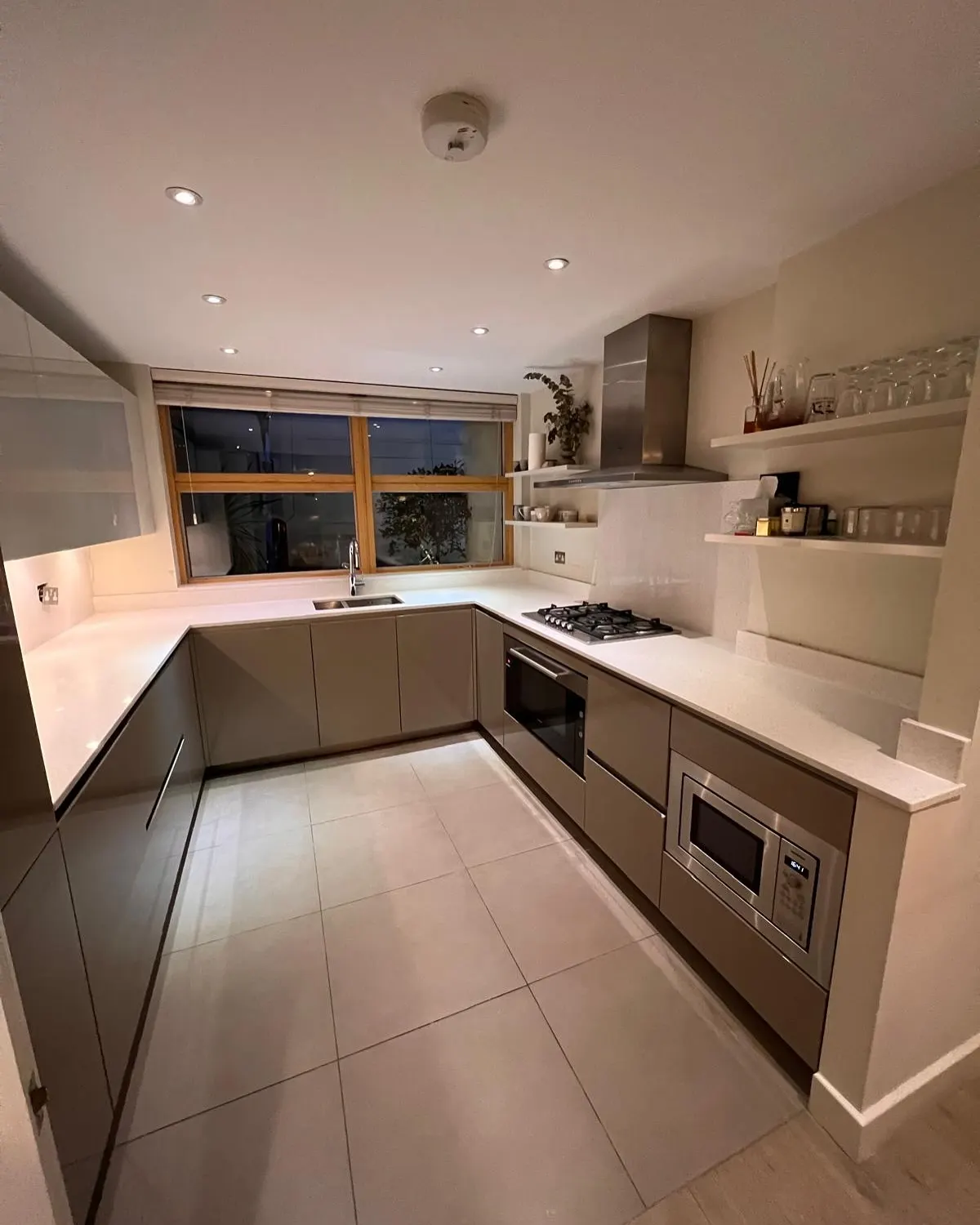
Kitchen Design

Compare low cost kitchen worktops by price, durability and style, then choose a surface that suits your renovation and avoids expensive mistakes.

Ouvir o artigo
Choosing low cost kitchen worktops is not simply a matter of buying the cheapest surface. The right decision balances purchase price, fitting, appearance, durability and the demands of everyday family cooking.
The cheapest kitchen worktop is usually laminate, especially when the design is straightforward and fitting requirements are modest. It can deliver convincing stone-inspired looks at a relatively accessible price, but it needs care around water, heat and cut edges. Quartz, granite and ceramic can offer greater durability and a more substantial finish, although the slab, fabrication and installation usually make them a larger investment. The best choice depends on how heavily you use the kitchen, how long you plan to stay, the shape of the room and whether the complete installed cost fits your renovation budget.
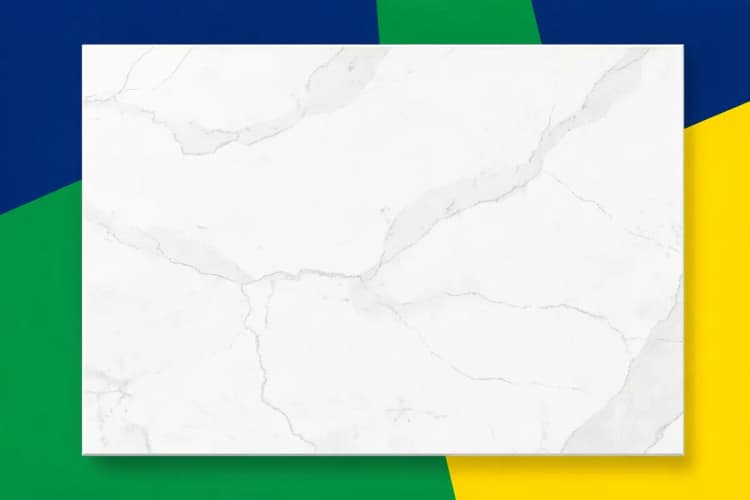
Low cost kitchen worktops are surfaces selected to keep the overall renovation budget controlled without ignoring practical performance. The phrase can include inexpensive laminate as well as carefully specified stone, because the final cost depends on material, thickness, layout, edge detail, sink and hob cut-outs, templating and installation.
A low-cost choice is not automatically a poor choice. In a refurbishment, the worktop represents only one part of the project, alongside cabinets, appliances, flooring, lighting and plumbing. Spending carefully here can leave room for the features that matter most elsewhere, provided the surface still suits the way the kitchen will be used.
The important distinction is between a low purchase price and a low total project cost. A simple surface may appear inexpensive until you add specialist cutting, awkward access, extra joins, delivery or fitting. Conversely, a higher-priced material can be more sensible when it is accurately measured, efficiently laid out and installed by a fabricator who understands the room.
For UK homeowners, budget conversations should therefore start with the finished installation rather than a slab or length viewed in isolation. Ask what is included, which cut-outs are allowed for, how edge finishing is treated and whether the quotation reflects the actual plan. This makes different options easier to compare and reduces the chance of an apparently cheap decision creating work later.
The budget question is a design question as much as a shopping question. The most useful recommendation is the one that recognises the kitchen's shape, working habits and intended lifespan, rather than simply pushing every homeowner towards the least expensive category.
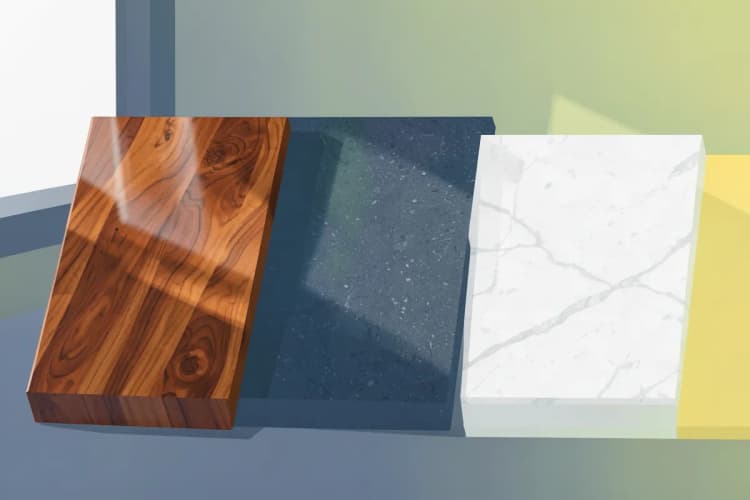
Laminate is generally the cheapest type of kitchen worktop because it combines a manufactured core with a decorative, sealed surface and can be produced in standard lengths. A basic budget laminate worktop typically costs around £100 to £250 for a three-metre length, according to Homebuilding.
For a straightforward kitchen with standard runs, laminate is usually the first material to investigate. It is available in many colours and patterns, including interpretations of stone and other natural surfaces, so a modest budget does not have to mean a plain or unfinished-looking room. Its light weight can also make handling simpler during a renovation.
That low entry price comes with boundaries. Laminate depends on an intact surface and well-sealed edges. Water around a sink, steam near a dishwasher and direct heat from hot cookware can cause problems if the worktop is poorly protected or used carelessly. Cut-outs need particular attention because exposed internal material is more vulnerable than the finished top.
The cheapest option is most convincing when the layout is uncomplicated. Long uninterrupted runs, standard edge profiles and limited shaping reduce fabrication time. An island, curved end, unusual depth or tightly integrated sink can change the calculation, so a budget estimate should be based on the plan rather than a headline price.
Laminate can be the right answer for a first home, a rental refresh or a kitchen where the priority is controlling initial spend. It is less persuasive when you want a deeply tactile surface, expect heavy daily use for many years or are investing in cabinetry intended to last for the long term. In those situations, it is worth comparing the complete installed price of more durable materials before deciding.
Homebuilding's budget guidance is useful as an orientation, not as a substitute for a project quotation. The final amount depends on dimensions, selected finish, delivery, cut-outs, edging and fitting. Treat the published range as a starting point for questions, then ask for a clear specification of everything included.
Explore our custom quartz and granite countertops for a stunning upgrade.
Get a Free Quote
The best budget-friendly countertop depends on what you mean by value. Laminate usually wins on initial cost, while quartz, granite and ceramic can be better choices when appearance, resilience and the expected life of the renovation carry more weight.
Laminate is the most accessible route to a coordinated kitchen finish. It gives homeowners a broad visual range without the fabrication demands associated with a heavy slab, and it works particularly well in clean, uncomplicated layouts. A stone-effect pattern can add visual depth while keeping the overall scheme restrained and practical.
Its main advantages are price, design choice and relatively simple replacement. It is also forgiving during a phased renovation because it can provide a finished surface while other parts of the room are completed. That can be helpful when the project budget is being released in stages.
The trade-off is that the surface should be treated as a finished decorative layer rather than an indestructible workbench. Use heat protection, wipe standing water and make sure the installer seals vulnerable areas carefully. When planning a sink, hob or tap, discuss the cut-out details before ordering, not after the worktop arrives.
Laminate is a strong choice where the room has standard runs, the budget is tight and the household is comfortable following sensible care habits. It is less suitable when the worktop will be exposed to frequent impacts, intense heat or persistent moisture with little attention to maintenance.
Quartz is often considered when a homeowner wants a cleaner, more substantial finish than laminate without choosing a naturally varied slab. Its engineered appearance can be consistent across the kitchen, which helps when the design calls for a calm contemporary scheme or a precise colour relationship with the cabinetry.
The budget question is more nuanced than a simple material comparison. Quartz generally involves templating, specialist fabrication and installation, so the finished cost reflects much more than the raw surface. A well-planned layout can still make it a sensible value choice if the owner wants a long-lasting focal point and does not want to replace the worktop during another renovation.
Quartz needs sensible use. It is resistant to many everyday marks, but no kitchen surface should be treated as immune to heat, impact or staining. Follow the care guidance supplied with the selected material, use suitable protection and ask how the chosen colour behaves around joins and cut-outs.
For a busy household that wants visual consistency, easy everyday cleaning and a more permanent feel, quartz may justify moving money from decorative extras into the worktop. The key is to compare the installed specification with laminate, rather than comparing only a visible square metre or sample.
Granite brings natural variation, depth and a solid architectural character to a kitchen. Every slab can have its own movement and mineral pattern, which makes the surface feel individual rather than printed. That quality is valuable when the worktop is intended to anchor a simple kitchen design.
From a budgeting perspective, granite rewards careful planning. The slab selection, template, edge treatment, sink cut-out and access to the property all influence the finished quotation. A straightforward layout can be more economical than a heavily shaped one, while a dramatic pattern may require thoughtful slab positioning to make the joins look intentional.
Granite is a practical option for homeowners who enjoy natural variation and want a robust surface for regular food preparation. It still benefits from suitable care, particularly around spills and areas where water collects. Ask about the recommended maintenance routine for the particular stone, since natural surfaces are not identical.
The best value from granite comes when its character is part of the brief. If you want a completely uniform colour and a highly predictable pattern, another material may align better with your design expectations. If you want a one-off natural surface and are prepared to invest in accurate fabrication, granite can give the kitchen a strong sense of permanence.
appeal to renovators who want a slim, contemporary appearance and strong resistance in areas exposed to heat, stains and everyday activity. Their visual language can range from understated neutrals to expressive stone interpretations, making them suitable for both minimal and more decorative kitchens.
The material can be highly effective around an island or as part of a modern handleless design, but it should not be treated as a do-it-yourself sheet product. Accurate templating, specialist cutting and careful handling are central to the result. The edge design also deserves attention because a thin profile creates a different visual effect from a substantial traditional edge.
Ceramic may be a budget-friendly decision in the broader sense when its performance matches the demands of the room and avoids an early replacement. It is not usually the first answer for the smallest initial spend. Compare the complete installed specification, including cut-outs, joins, access and edge work, before deciding that it fits the renovation.
This material suits homeowners who are comfortable paying for specialist fabrication in exchange for a crisp appearance and a surface designed for demanding kitchen conditions. A careful installer should explain how to protect exposed corners and how the finished edge will be handled in the chosen layout.
Choose the right worktop by comparing the complete installed specification with your kitchen's layout, use, maintenance expectations and future plans. Start with a realistic budget, then test each material against heat, moisture, impact, appearance and fabrication requirements.
Begin with the room rather than the sample. Measure the approximate runs, note the position of the sink and hob, identify any island or breakfast bar and consider where joins are likely to fall. A compact, straight layout gives you more control over cost than a room with curves, unusual depths and multiple cut-outs.
Next, separate essential performance from visual preference. If the worktop will be used for frequent cooking, baking and entertaining, durability and repairability may matter more than the lowest starting price. If the kitchen is lightly used or part of a short-term improvement, laminate can be a rational choice. Neither decision is universally correct.
Moisture is a practical test that many budgets overlook. The area around the sink, dishwasher and wall junction deserves careful detailing, whatever material you choose. Ask how the edges and joins will be sealed, how the sink will be supported and what maintenance is expected. A small amount of attention during planning is preferable to discovering a vulnerable detail after installation.
Heat and impact should be discussed in ordinary household terms. Will pans be moved directly from the hob? Do children regularly use the island? Is the surface likely to receive heavy equipment or repeated knocks? The answers can guide you towards a surface with an appropriate tolerance and remind you that even premium materials need sensible use.
Look at the edge before you approve the design. A square edge, softened profile or more substantial finish changes the character of the room and may affect fabrication. The edge is also where a budget surface can look either deliberate or unfinished, so it deserves the same attention as colour and pattern.
Make the quotation comparable. Confirm the material, thickness, finish, edge detail, sink and hob cut-outs, upstands or splashback elements, templating, delivery and installation. If a line is unclear, ask for it to be described in plain English. Comparing like with like is more useful than collecting several headline prices.
Samples should be viewed in the actual kitchen light. A cool white may appear stark beside painted cabinetry, while a heavily patterned surface can become visually dominant in a small room. Place the sample next to doors, flooring and splashback choices, and consider the sightline from adjoining rooms.
Finally, think about the cost of regret. Replacing a worktop can involve removing appliances, disconnecting plumbing and disturbing finished cabinetry. A slightly higher initial choice can be more economical if it matches your routine and remains attractive for the period you expect to own the home. A lower-cost material can also be the wiser decision when it honestly matches the project's scope.
For homeowners in London and surrounding areas, treat measurement, fabrication and fitting as part of the design decision, not as separate afterthoughts. The surface only performs as intended when the specification and installation work together.

MT Stones can help when the budget decision has moved beyond the cheapest material and you need a made-to-measure surface with a clear fabrication and installation route. The service is designed for homeowners comparing quartz and granite options for a renovation in London and surrounding areas.
A common difficulty appears after the initial comparison: the homeowner has chosen a material but is still unsure how the pieces will be measured, cut and fitted around the actual kitchen. This is where a specialist made-to-measure service can bring the practical parts of the decision into one conversation. Instead of judging only a sample, you can discuss the room, the preferred finish, the sink and hob positions, and the details that affect the finished result.
MT Stones offers made-to-measure quartz and granite worktops, with professional installation and a range of options intended for different kitchen styles. The description of the service centres on high-quality materials, competitive pricing and a free quotation, so it can be considered alongside other complete installed specifications rather than as an isolated material price.
That approach is particularly useful when a low-cost laminate estimate looks attractive but the room has an ambitious island, a prominent entertaining area or a design where the worktop will be the main visual feature. It also helps when the homeowner wants natural granite variation or the consistent appearance associated with quartz, while still needing to understand the fabrication implications before committing.
The right next step is to bring accurate measurements or arrange the design discussion around the fitted kitchen. Explain how the room will be used, which details are essential and where the budget cannot move. A clear brief allows the material choice, finish and quotation to be considered together, which is more useful than making a decision from a colour sample alone.
For a renovation where the worktop is expected to complete the kitchen rather than simply cover the cabinets, MT Stones provides a route to discuss quartz and granite in that context. The result of the conversation should be a specification you understand, with the chosen surface and installation approach aligned with the room you are actually building.
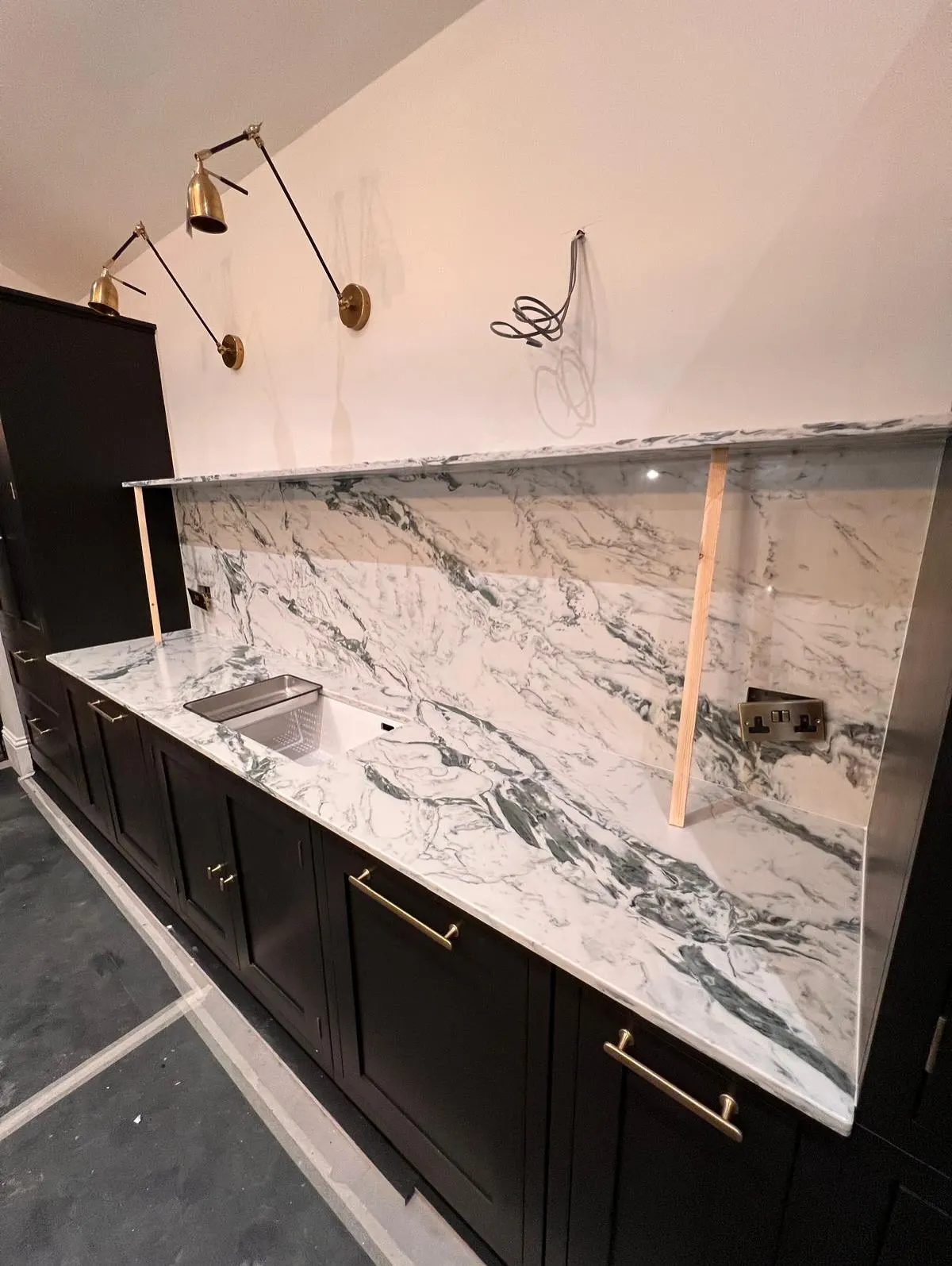
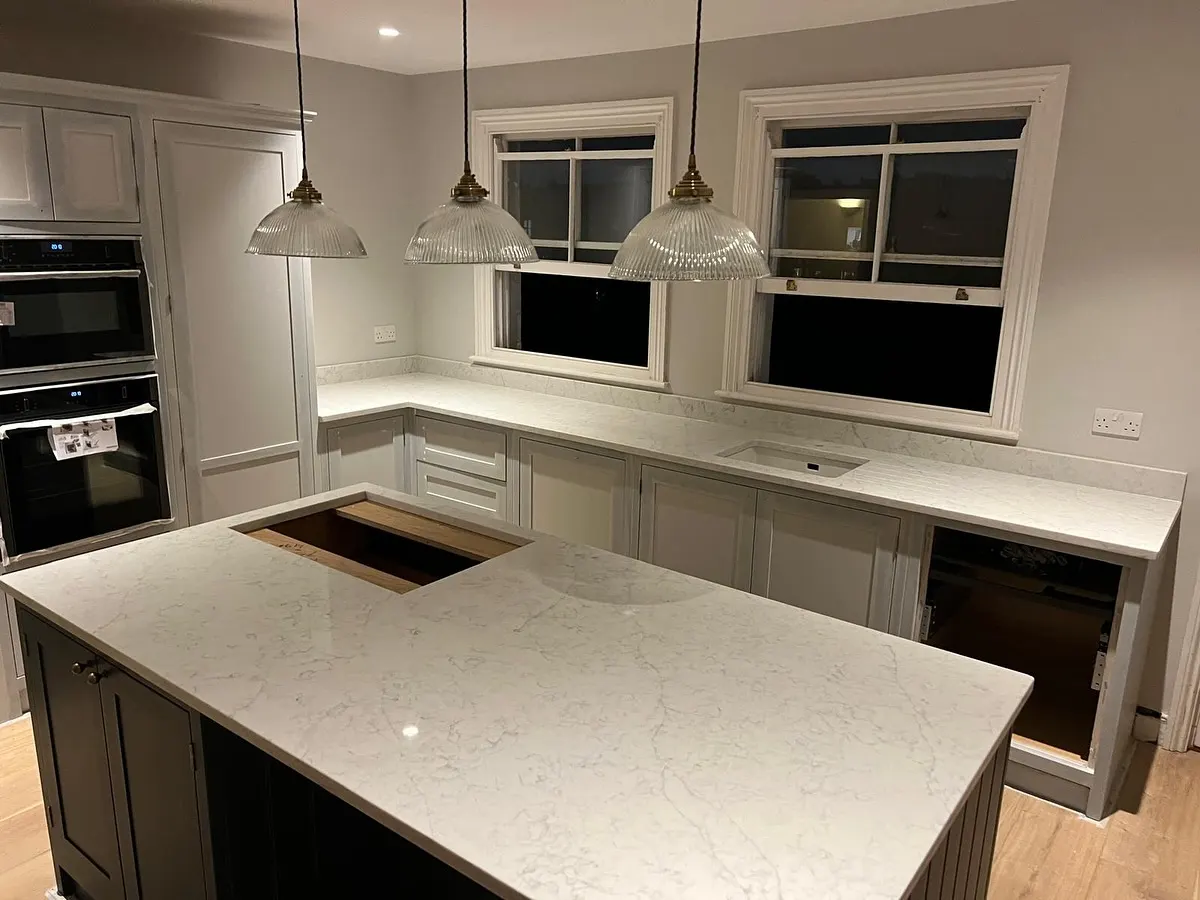
Explore our custom quartz and granite countertops for a stunning upgrade.
Get a Free Quote