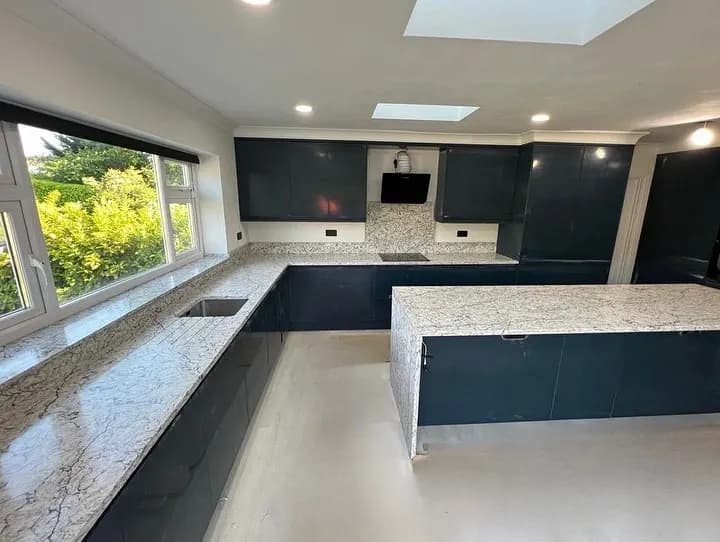
Quartz Countertops

Compare cheap worktops for kitchen projects, from laminate to compact surfaces, with practical UK advice on cost, thickness, style and care.

Ouvir o artigo
Affordable kitchen worktops can keep a renovation on budget without making the room feel temporary. The key is matching material, thickness, style and fitting to how your kitchen will be used.
The cheapest attractive kitchen worktops are usually laminate surfaces, especially when you choose a standard finish and keep the layout straightforward. Compact worktops offer a slimmer, more contemporary appearance, while quartz and granite can provide a longer term stone solution when the budget allows. Your real cost includes the worktop, cut outs, joins, edging, upstands, delivery and fitting, so compare complete quotations rather than sheet prices alone. Start by measuring the runs, deciding whether you need a slim or substantial profile, and choosing a surface that suits your cooking habits. A careful specification can make an affordable worktop look deliberate rather than compromised.

Cheap worktops for kitchen renovations are surfaces selected to control the total project cost while still providing a practical, presentable preparation area. The phrase does not point to one material. It usually means balancing the purchase price with fabrication, fitting, maintenance and the visual effect across the whole room.
In a typical UK renovation, the most affordable route is often a standard laminate design with uncomplicated edges and cut outs. A budget choice becomes less attractive when it needs unusual shaping, several joins or specialist installation. For that reason, the cheapest sheet is not always the cheapest completed worktop.
Begin with the jobs the surface must handle. A kitchen used for everyday cooking needs resistance to splashes, heat, abrasion and repeated cleaning. A lightly used room may give you more freedom to prioritise colour and texture. Measuring the runs accurately, checking appliance positions and confirming sink and hob details before ordering can prevent avoidable fabrication costs.
Budget also has a visual dimension. A restrained pattern, a well chosen edge and consistent upstands can make an economical surface look intentional. MT Stones recommends judging the complete specification rather than selecting on material price alone, particularly when a renovation includes an island, unusual corners or a preference for natural stone.

Laminate is usually the cheapest countertop type that can still look polished, because it offers a broad choice of colours and patterns at a relatively accessible supply price. A simple design, accurate measuring and professional looking edge treatment matter as much as the material itself.
Homebuilding describes laminate as the most cost effective kitchen worktop option in many budget buying guides. That position comes from more than the face finish. Laminate can be supplied in familiar worktop formats, is widely understood by installers and can suit both compact refurbishments and larger kitchen layouts.
House Beautiful UK reports laminate worktops starting from less than £40 for a two point four metre length. That figure is a useful illustration of entry level supply pricing, not a complete installed project cost. Cut outs, joins, edging, end panels, transport and fitting can all change the final quotation.
The best looking low cost laminate is rarely the loudest option. Soft stone effects, quiet concrete inspired surfaces, pale neutral colours and restrained veining tend to sit comfortably with painted cabinets and contemporary handles. A realistic finish can create visual depth, but a busy pattern may make joins more noticeable if the layout is complicated.
Edge treatment is another way to improve the result. A neat square edge can look modern, while a softened or post formed edge may make the surface feel more familiar in a traditional setting. Keep the edge, upstand and splashback decisions coordinated so the worktop reads as part of the kitchen rather than an isolated budget purchase.
Laminate is not the only affordable possibility, but it is the clearest starting point when supply cost is the primary concern. SelfBuild & Design places laminate kitchen worktops at £50 to £150 per square metre supply only, showing how much the specification and market level can influence the price.

Replacing kitchen worktops can cost from a modest supply only amount to a much larger fitted total, depending on the material, layout and fabrication details. The worktop price is only one part of the calculation, so request an itemised quotation before comparing options.
Supply pricing gives a useful first filter. SelfBuild & Design reports laminate at £50 to £150 per square metre supply only, while House Beautiful UK reports some laminate lengths available from less than £40. These examples show why a small, straightforward run can look inexpensive at the buying stage.
Installation introduces the practical costs that are easy to miss. A sink cut out, hob cut out, drainer grooves, joints, curved sections, end finishing and upstands each require decisions and, in some cases, additional fabrication. Removal of the old surface and adjustments to cabinets can also affect the labour involved.
The room layout is often more important than the total area. A long uninterrupted run may be simpler to fabricate than a smaller L shaped arrangement with a corner joint. Islands, peninsulas and deep breakfast bars need careful support and handling. Ask whether the quotation includes templating, fabrication, delivery, fitting, sealing and the finishing details you expect.
For a fair comparison, prepare the same information for each quotation. Provide a plan or accurate measurements, appliance positions, sink type, preferred edge, upstand requirements and the finish you want. Then compare the completed scope rather than choosing the lowest headline figure.
If you are considering a fitting route that involves your own installer, confirm who is responsible for checking measurements and resolving errors. Homebuilding says laminate worktops can be suitable for competent DIY fitting, which may reduce overall installation cost, but the saving depends on skill, tools and the consequences of a mistake.
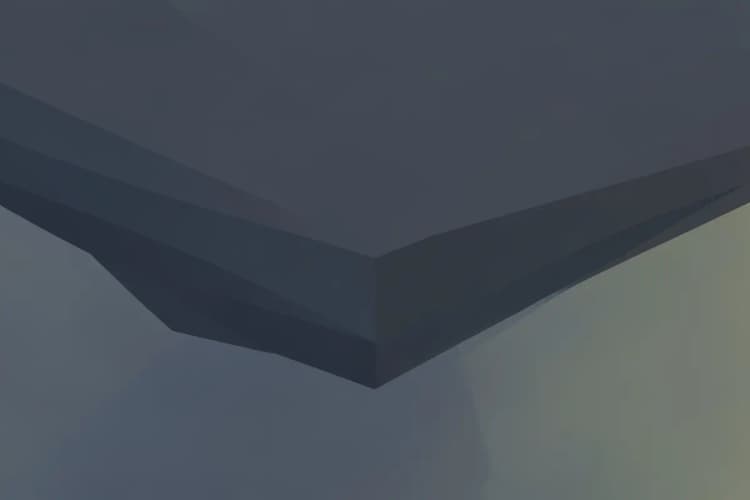
Choose the thickness that supports the look, edge detail and practical requirements of the kitchen. A 16mm worktop creates a lighter, slimmer impression, while a 40mm worktop gives a more substantial, familiar appearance.
A 16mm worktop suits kitchens where visual restraint is important. The slimmer line can complement handleless doors, simple cabinetry and an island designed to feel architectural rather than heavy. It can also help a small room appear less crowded because the horizontal edge occupies less visual space.
The edge profile becomes especially important with a slim surface. A clean square edge emphasises the contemporary character, while a carefully shaped edge can soften it. Check how the selected material handles exposed ends, sink areas, hob cut outs and any required support before committing to the specification.
Slim does not mean that every application is automatically suitable. Cabinet support, overhangs, appliance clearances and the fabricator’s installation method need to be reviewed as part of the design. Treat the thickness as a structural and visual decision, not only a styling preference.
A 40mm worktop gives the kitchen a more substantial profile and is often the natural choice for a familiar, robust looking design. Nobilia describes 40mm as a standard worktop thickness, which helps explain why this dimension remains common in conventional kitchen planning.
The heavier visual line works well with framed doors, detailed cabinetry and traditional rooms, but it can also anchor a modern island. The result depends on the edge treatment, colour and relationship with the cabinets. A simple finish can stop a substantial worktop from looking dated.
Check whether the apparent thickness is a solid slab or a built up edge. The distinction affects the fabrication, joins, support and final appearance. Include exposed ends and seating overhangs in the discussion, because these details are where a thickness choice becomes most visible.
Explore our custom quartz and granite countertops for a stunning upgrade.
Get a Free Quote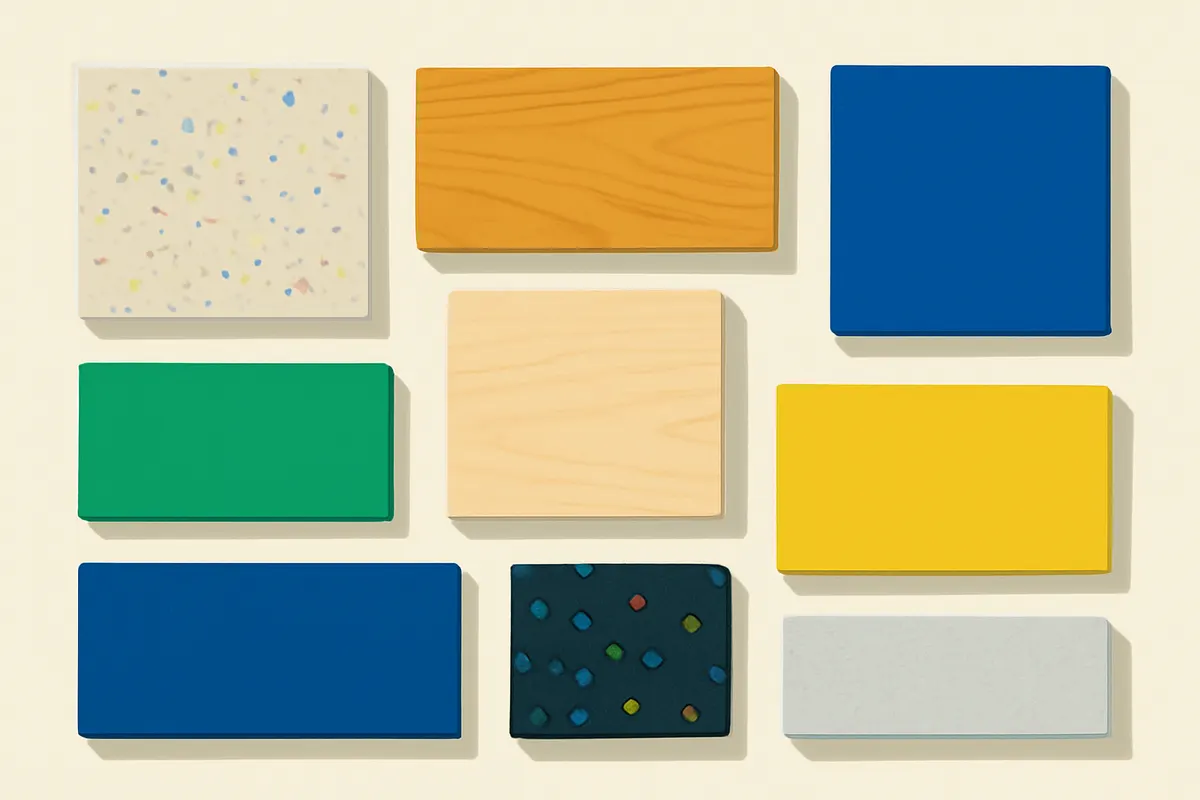
Affordable worktops are available in several material categories, but laminate and compact worktops are the clearest choices to compare when budget, appearance and everyday practicality are all important.
Laminate remains the familiar budget material because its decorative surface can imitate stone inspired movement, concrete character and other interior styles without requiring a natural slab. It is commonly positioned within budget worktop ranges, placing it at the centre of this category.
The design range makes laminate useful for homeowners who want to coordinate a worktop with existing doors rather than redesign the whole kitchen. It is also a practical choice where replacing the surface is intended to refresh the room quickly. Protect exposed edges and follow the care instructions around water, heat and abrasive cleaning.
Laminate is most convincing when the details are considered. Matching end panels, a suitable edge and an upstand in a related finish can make a standard surface feel complete. If the design includes several joins, ask for the joint positions to be planned so they fall in less visually prominent areas.
provide a slimmer, more contemporary alternative for homeowners who do not want the visual weight of a conventional thick profile. Their appeal is strongest in minimalist kitchens, islands and rooms where the edge needs to look crisp.
The category needs careful specification because compact surfaces can differ in core, finish, edge treatment and installation requirements. Ask how the material should be cut, supported and sealed, particularly around sinks, hobs and exposed ends. A thinner appearance does not remove the need for precise workmanship.
Compact worktops may sit between budget laminate and higher investment stone in a homeowner’s decision making. Compare the complete fitted cost, not only the panel price. If the design needs unusual shaping or specialist fabrication, the installation may have a greater effect on value than the initial material choice.
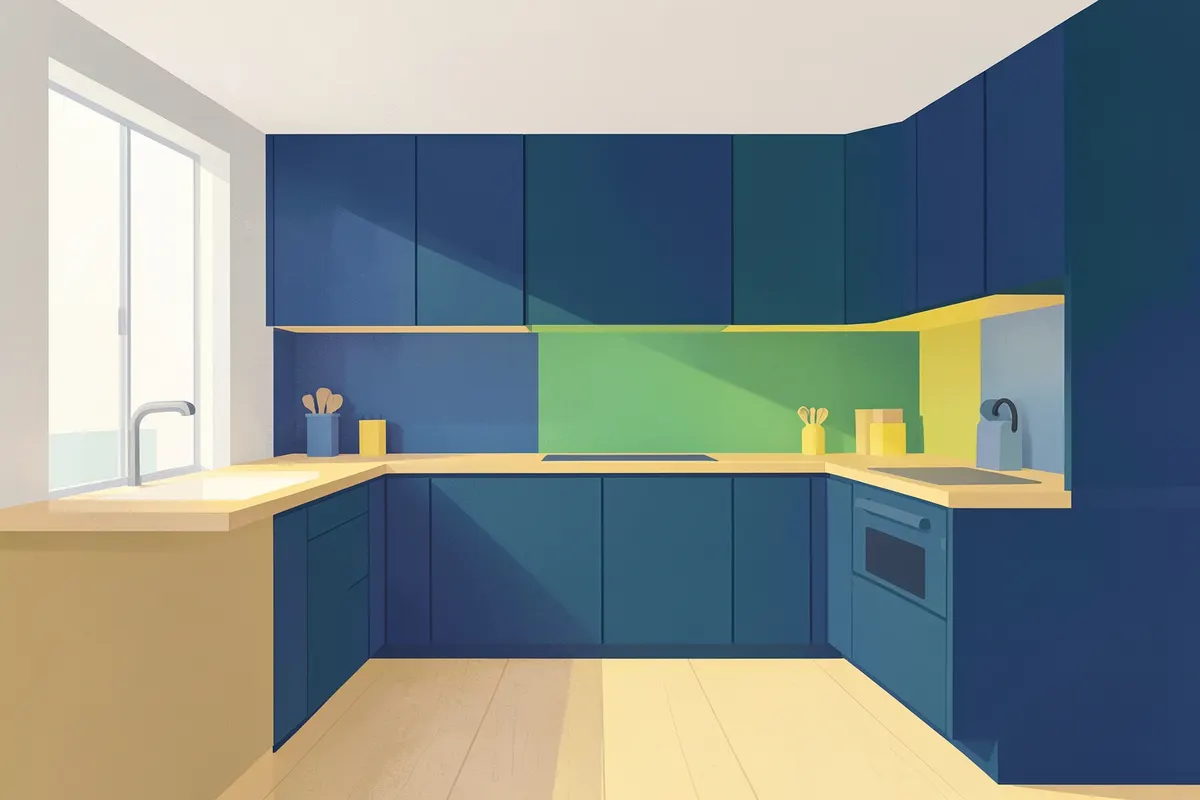
Modern kitchens usually benefit from visual clarity. Choose a worktop with controlled pattern movement, a crisp edge and a colour that allows the cabinets to remain the focus. Pale surfaces can make a compact room feel open, while darker finishes can give an island stronger definition when balanced with suitable lighting.
A modern style does not require an expensive material. Laminate can look composed when the pattern is restrained and the join positions are planned. Compact worktops can reinforce the same direction through a slimmer edge. The important point is consistency between the worktop, cabinet fronts, handles, splashback and flooring.
For a contemporary renovation, take samples into the room and view them in daylight and artificial light. Small chips or swatches can hide the scale of pattern movement, so assess how the design will read across the full run. Keep practical areas in mind, especially beside the sink and hob, where marks and splashes are most noticeable.
Traditional kitchens tend to suit warmer colours, more visible edge shaping and worktops that relate to framed doors or painted cabinetry. A softly patterned laminate can deliver that atmosphere without moving into a high material budget. Upstands and carefully finished ends help the surface connect with the architecture of the room.
Schüller Küchen notes that classic worktop thicknesses range from 10mm to 60mm and highlights 16mm as suitable for a homely, elegant trend. The broader lesson is that traditional character does not depend on one thickness. Profile, colour, cabinet detailing and the surrounding finishes work together.
Avoid choosing a surface only because it resembles a familiar natural material. Consider how it will sit beside the doors, whether the pattern scale suits the room and how easily the finish can be maintained. A quieter design often remains attractive for longer and gives future decorating changes more freedom.
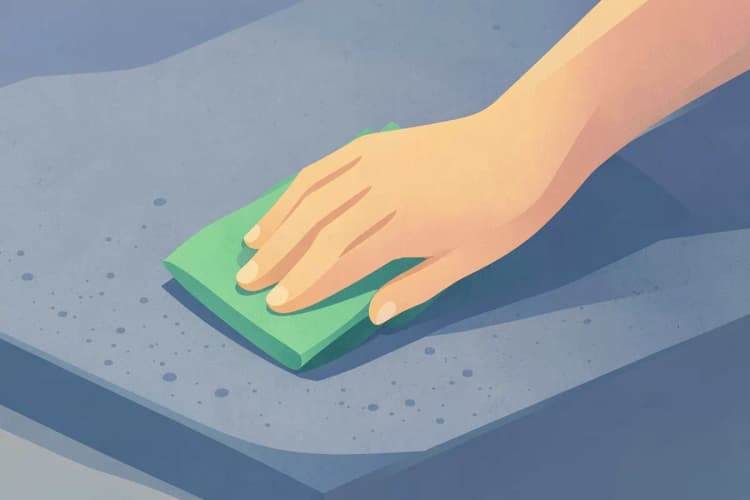
Longevity comes from preventing avoidable damage and responding quickly to spills, moisture and heat. Use suitable boards, trivets and cleaning products, keep water away from exposed joints, and follow the care guidance for the selected material.
Every affordable worktop benefits from simple habits. Wipe spills rather than allowing moisture to sit around the sink, dry the area after cleaning and use a board for chopping. Place hot pans on a trivet instead of directly on the surface, especially when the material’s heat tolerance is not fully understood.
Do not treat an abrasive pad as a shortcut for removing marks. A gentle cleaner and a soft cloth are usually a safer starting point, followed by the specific instructions supplied for the worktop. Strong chemicals, standing water and repeated impact can cause more trouble than ordinary cooking.
Pay attention to vulnerable details. The front edge, end panels, sink cut out, hob cut out and joins deserve regular inspection. If sealant begins to fail or water is finding its way into a joint, deal with it promptly rather than waiting for swelling, staining or movement.
Good maintenance also starts during installation. Accurate templating, properly supported overhangs and carefully sealed cut outs reduce the stresses that shorten a surface’s useful life. Ask the installer which areas need particular care, because maintenance advice differs between laminate, compact surfaces, quartz and granite.

Affordable worktops make it possible to direct more of the renovation budget towards cabinets, appliances, lighting or structural work. That flexibility matters when the kitchen has several competing priorities. A well specified surface can provide a finished appearance without forcing compromises elsewhere.
The design choice can also be more adaptable. Laminate and compact categories offer different colours, patterns and profiles, allowing a homeowner to refresh the room while retaining serviceable cabinets. This is useful in phased renovations where the worktop needs to bridge older elements and new finishes.
Practicality is another advantage. A familiar, readily specified material can simplify decisions about edging, upstands, cut outs and replacement. It may also suit a straightforward fitting plan, particularly when the layout does not require complex shaping.
Most importantly, an affordable surface can be chosen deliberately rather than apologetically. The kitchen will look considered when the colour, pattern, thickness, edge and surrounding finishes have been selected as one composition. Budget control is strongest when it protects the details people notice every day.

After comparing low cost materials, some homeowners find that the brief calls for the depth, permanence or natural character of stone. That does not mean abandoning budget discipline. It means asking whether the complete value of a made to measure surface fits the renovation, rather than comparing a stone slab only with the cheapest panel price.
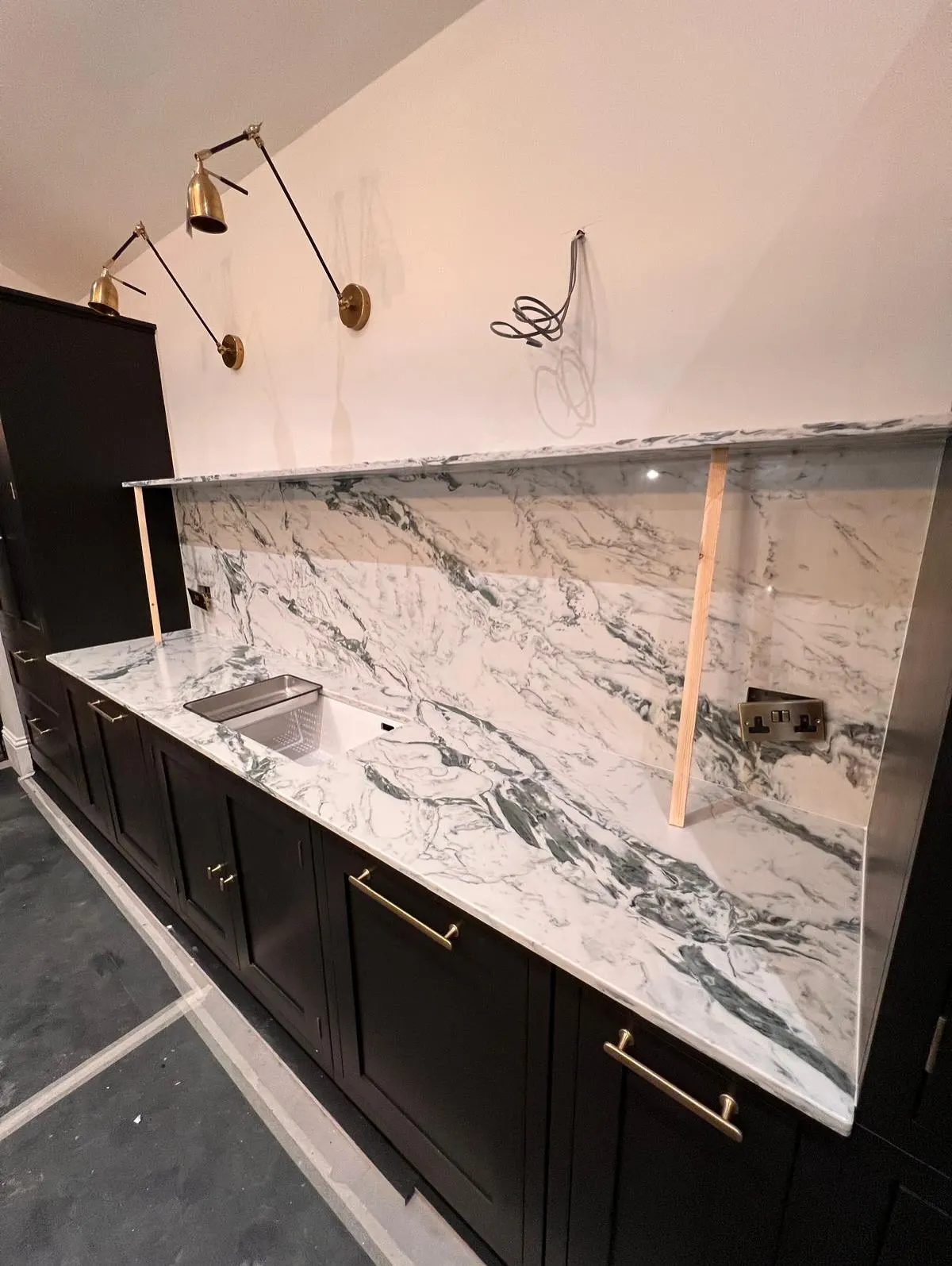
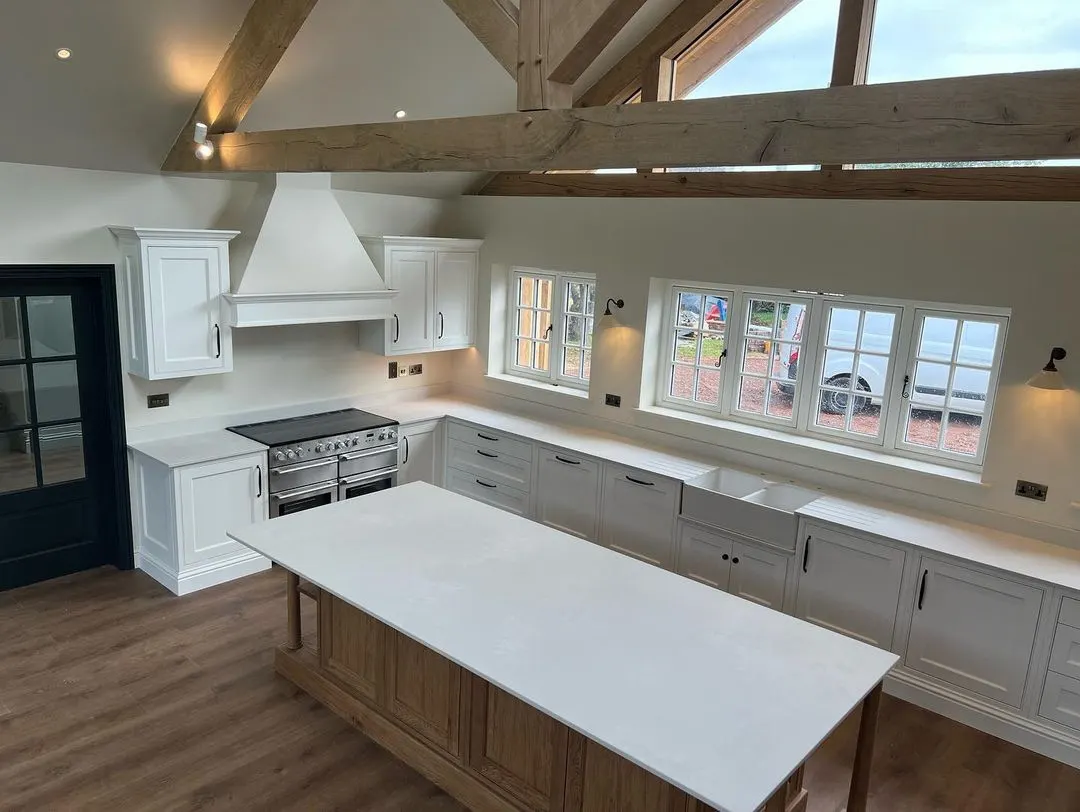
Bancadas de Quartzo e Granito from MT Stones are made to measure in quartz and granite, with installation quickly available within up to seven days according to the service description. The offer includes high quality materials, competitive pricing and a range of options, with a free quotation available for homeowners who want to understand the specification before deciding.
This is particularly relevant when the kitchen includes an island, unusual corners, exposed ends or a strong preference for a continuous stone appearance. A detailed quotation can clarify the relationship between material selection, fabrication, installation and the features that matter most in the finished room.
The sensible next step is to provide the kitchen measurements, layout and preferred style, then compare the proposed stone specification with the laminate or compact route you have already considered. That keeps the decision grounded in the actual project, not an assumed material hierarchy.
Explore our custom quartz and granite countertops for a stunning upgrade.
Get a Free Quote