Kitchen Design

Explore bathrooms with granite countertops, from design pairings to installation and care, with practical guidance for a confident renovation.
Ouvir o artigo
Bathrooms with granite countertops combine natural character with a practical surface for busy routines. The right stone, layout and care plan can make a renovation feel considered rather than merely finished.
Bathrooms with granite countertops work particularly well when you want a durable, distinctive vanity surface that can handle everyday splashes and frequent cleaning. Granite is dense and generally less prone to staining or etching than marble, but it still benefits from correct sealing and prompt cleaning. Choose the slab alongside the tiles, cabinetry, basin and lighting, then confirm practical details such as support, cut outs, access and templating before fabrication. A well planned design can suit a contemporary, coastal, traditional or urban bathroom without making the room feel overly ornate.
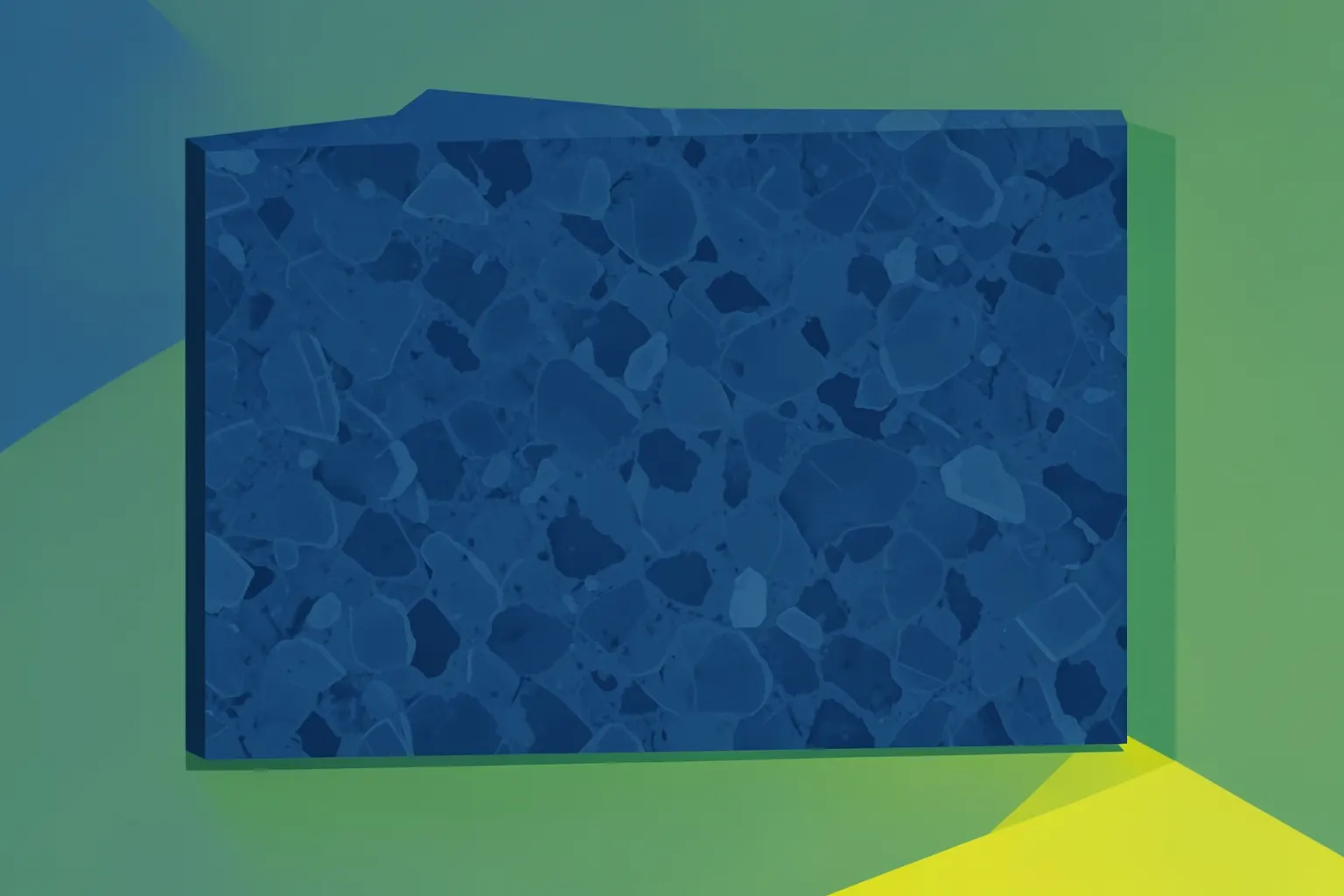
Granite countertops are slabs cut from natural granite, a hard crystalline stone formed from cooled molten rock. Each slab has its own combination of mineral colours, movement and grain, so a bathroom worktop is both a functional surface and a significant part of the room’s visual identity.
Granite is quarried as large slabs and then cut, polished and finished for a particular project. In a bathroom, it is commonly used for vanity tops, splashbacks, window boards and selected shelving. The edge can be kept crisp and understated or shaped to give the vanity a more traditional presence.
The surface is not visually uniform in the way a printed finish is. Flecks, veins and tonal shifts are part of its appeal, but they also mean that a sample cannot always show the full character of the finished slab. For that reason, homeowners should assess the actual stone, the direction of its pattern and the location of cut outs before approving fabrication.
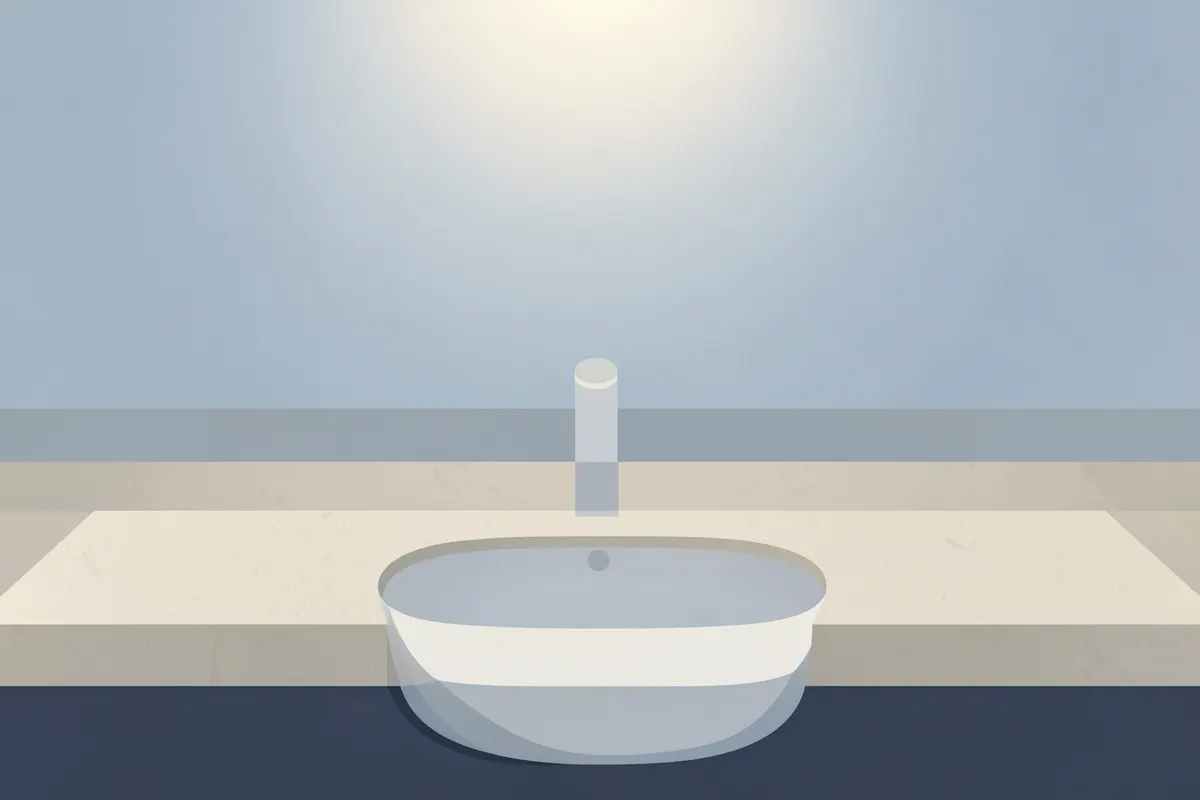
Granite can be paired with an undermount basin, a vessel basin or an integrated design, depending on the cabinet and the desired appearance. The key is to treat the top as part of the architecture of the vanity rather than an afterthought added once every other decision has been made.

Granite suits bathrooms because it offers a dense, hard wearing surface with natural variation and a strong resistance to everyday wear. House Beautiful describes granite as dense and easy to clean, with less likelihood of etching or staining than marble, although good care is still necessary.
A bathroom vanity has a demanding brief. It faces water, toiletries, cosmetics, heat from styling tools and repeated wiping, often in a compact room where every material is close to the eye. Granite responds well to that level of use when it is selected, finished and maintained properly.
Its visual range is another advantage. Pale granite can support a light, calm ensuite, while darker stone can give a floating vanity more definition. A slab with restrained movement may help a small room feel orderly. A more expressive pattern can become the focal point in a larger bathroom, especially when the surrounding tiles and paint are deliberately quiet.
Natural variation also helps a renovation feel individual. Two bathrooms with similar cabinet layouts can look entirely different because the stone changes the balance of colour and texture. This is useful when you want a room that feels designed without relying on excessive decoration.
Granite is also a practical choice where the vanity must bridge style and usability. A bathroom should provide relaxation as well as function, and a considered stone surface can contribute to both. MT Stones recommends choosing the slab in the context of the full room, because colour, edge profile and finish influence how the space feels every day.
The wider countertop market reflects the continuing importance of stone surfaces. Mordor Intelligence projects the global countertops market to reach USD 161.23 billion in 2026, with granite remaining a major material in the segment. That market context does not decide a private renovation, but it shows why granite remains part of the conversation for homeowners planning substantial upgrades.
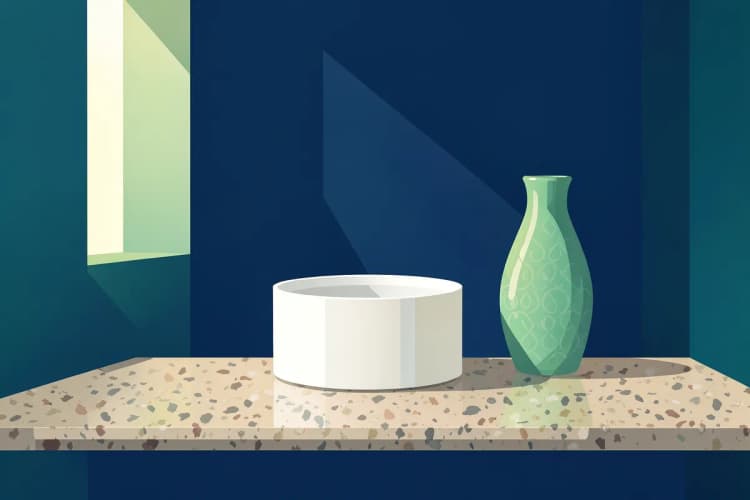
Yes. Granite is a good bathroom countertop when the slab is suitable for the layout, the stone is sealed appropriately and the household follows straightforward cleaning habits. Its density and durability make it a sensible choice for vanity areas that need to look refined while coping with regular use.
The strongest case is for homeowners who want natural stone character without choosing a surface that feels excessively delicate. Granite can tolerate the ordinary demands of a bathroom, including water around the basin and regular contact with toiletries, provided spills are not left to sit and the surface is not treated with harsh chemicals.
It is especially effective in family bathrooms and busy ensuites. A double basin can make the morning routine more practical for a household, while one continuous granite top helps visually unite the basins and storage below. In a guest bathroom, a smaller vanity can use a carefully chosen remnant or a quieter pattern to create a finished look without overwhelming the room.
The decision should still be made with the whole installation in mind. Check that the cabinets can support the slab, that the wall is ready for accurate templating and that the basin, taps and waste positions are confirmed. A beautiful material cannot compensate for a vanity that is poorly supported or a tap cut out that does not match the selected fitting.
Granite also makes sense when longevity and appearance carry equal weight. It does not have to dominate the scheme. With pale wall tiles, simple cabinetry and carefully controlled lighting, it can read as calm and architectural. With brass fittings, traditional joinery and a freestanding bath, it can become warmer and more decorative.
Market data shows continued interest in upgrades across residential surfaces. Grand View Research projects bathroom countertops in the United States to grow at a 6.5% compound annual growth rate from 2026 to 2033. The figure is not a forecast for an individual bathroom, but it reflects the importance homeowners place on purpose designed countertop choices.

The main disadvantages are that granite can be porous, may stain if oils or liquids penetrate the surface, can etch when exposed to acids and usually requires more care than a completely maintenance free material. It is also heavy, visually prominent and dependent on accurate fabrication.
Porosity is the issue most likely to affect ownership. Hunker notes that oils and liquids can seep into granite pores and cause staining, while acids such as vinegar or lemon juice can etch the surface. Bathroom products are not always obvious risks: hair products, cosmetics, bath oils and cleaning solutions may all sit near the vanity.
Sealing reduces the risk, but it does not turn the surface into an indestructible one. Hunker recommends resealing every one to three years depending on the stone and the amount of use. A frequently used family vanity may need closer attention than a lightly used cloakroom, and the best schedule should follow the fabricator’s advice for the chosen stone.
The material is also heavy. Existing cabinets and wall fixings need to be assessed before installation, particularly when a large vanity top includes a basin cut out, tap holes or a projecting edge. This is a design and construction consideration, not a reason to rule out granite, but it should be addressed before the slab is ordered.
Pattern can be a drawback when the rest of the room is already busy. A dramatic granite may compete with strongly marked tiles, decorative wallpaper and elaborate fittings. Conversely, a subtle slab can disappear if the room lacks contrast. Viewing the stone with the actual tile and paint samples helps avoid both outcomes.
Finally, natural stone requires acceptance of variation. The finished top may include mineral movement that was not visible in a small sample. That individuality is part of the material, but homeowners who want absolute uniformity should discuss expectations early.
Explore our custom quartz and granite countertops for a stunning upgrade.
Get a Free Quote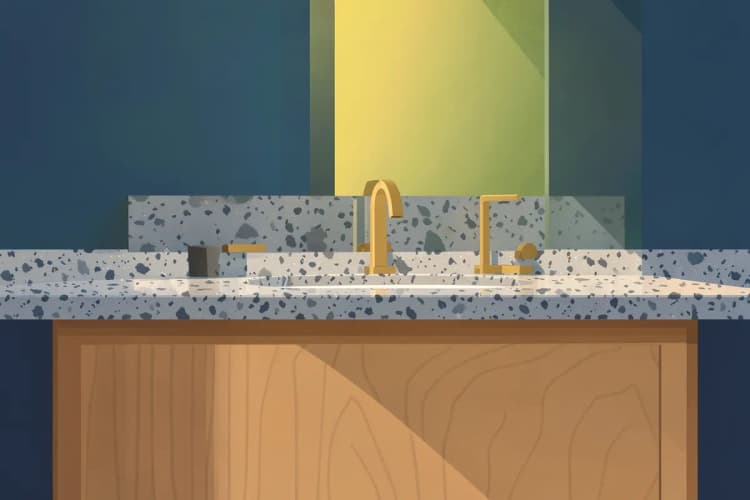
Begin with the atmosphere you want to create, then use the granite to support it. A pale slab with quiet movement can reinforce a restorative bathroom, while charcoal, black or richly patterned granite can anchor an otherwise light scheme. The aim is not to match every surface exactly. A controlled relationship between colour, texture and proportion usually looks more sophisticated.
Lighting deserves early attention. Granite can appear warmer, cooler, softer or more dramatic depending on the colour temperature and direction of the light. Test samples near the mirror, under the planned task lighting and beside the wall tile. A surface that looks balanced in a showroom can read differently in a north facing London bathroom.
The basin and edge profile also change the impression. A slim edge and undermount basin create a cleaner contemporary line. A more substantial edge and visible basin can add presence to a traditional room. Keep the number of competing features under control so the stone remains intentional rather than busy.
Granite pairs comfortably with porcelain or ceramic tiles, painted cabinetry, glazed splashbacks, metal fittings and glass shower panels. If the slab contains warm mineral notes, repeat that warmth in the tap finish or accessories. If it is predominantly cool, soft grey or off white surroundings can keep the room cohesive without making it sterile.
Texture is useful when colour is restrained. A lightly textured tile can give depth to a calm granite vanity, while a smooth wall surface lets a strongly patterned slab take the lead. In smaller rooms, continuity between the worktop and a short upstand can make the vanity feel more integrated.
Quartz is another surface worth considering during planning, particularly if you are comparing natural variation with a more consistent appearance. Our guide to how quartz and granite worktops compare can help frame that decision around maintenance, visual character and the demands of the room, rather than around trend alone.
Once the stone is selected, design around its strongest features. If the slab has a directional pattern, position the basin and tap cut outs so they do not interrupt the most attractive movement. If it has a quiet surface, allow the mirror, lighting or cabinet detail to provide the focal point.
Storage should be planned with the same discipline. A floating vanity can make the floor feel more open, but it needs appropriate support and enough room for plumbing. Full height storage can balance a long vanity, while open shelving can be useful for towels if it does not expose every everyday product.
Take wall conditions seriously. Corners are rarely perfect, and a vanity top needs to meet them neatly without forcing the stone into an unrealistic shape. Confirm skirting, tiling, mirror position and door swings before templating. The result should look calm because the practical decisions were made early, not because they were hidden after installation.
A contemporary bathroom does not have to feel cold or theatrical. Start with a simple cabinet form, a restrained granite pattern and a clear lighting plan. Dark cabinetry beneath a lighter granite top can add modern definition, while pale cabinetry and mid tone stone can create a softer everyday setting. The balance between style and usability matters more than chasing a showroom effect.
In a compact room, keep the number of finishes disciplined. A wall mounted vanity, a large mirror and a continuous splashback can make the arrangement feel efficient. If the granite has visible movement, let it be the main decorative element and keep the hardware, walls and accessories quieter.
A coastal or urban interpretation can use granite with grey tiles, terrazzo style flooring and a floating vanity. The material can add natural depth without requiring a rustic theme. For a more polished contemporary direction, pair a darker slab with crisp walls and carefully positioned illumination around the mirror.
Traditional bathrooms benefit from granite that has warmth, depth or softly varied patterning. Shaker style cabinetry, a freestanding bath, classic taps and ceramic tiles can create a room that feels established without becoming overly formal. The worktop should connect the cabinet and basin to the rest of the room, not compete with every period detail.
Midcentury influenced bathrooms offer another useful direction. Beige cabinetry, a freestanding bath and a granite worktop can combine clean geometry with a warmer palette. Keep the basin shape and mirror proportion simple so the room feels edited rather than themed.
In a country ensuite, granite can sit comfortably alongside painted cabinets, a walk in shower, a wall niche and lightly coloured tiles. The surface adds durability and visual weight while the surrounding details provide softness. For a traditional scheme, an edge profile with modest shaping may be enough to signal character without making cleaning awkward.
Traditional does not mean crowded. The most successful schemes usually select a small group of repeated cues, such as warm metal, framed cabinetry and a stone tone that relates to the floor. Granite then becomes the stable element linking those choices together.

Granite care is uncomplicated when it becomes part of the normal bathroom routine. Wipe splashes from the vanity rather than allowing water, cosmetics or toiletries to remain on the surface. Use a soft cloth and a cleaner suitable for natural stone, and avoid experimenting with acidic household ingredients on an unseen area.
Pay particular attention to products around the basin. Hair treatments, oils and strongly coloured cosmetics can be more troublesome than plain water. A tray or organised storage zone can reduce the time products spend directly on the stone and make the room easier to keep tidy.
Ask about the sealer when the slab is chosen and record the recommended maintenance interval. Hunker identifies a resealing period of one to three years depending on the stone and use. Testing whether water beads on the surface can offer a useful indication, but it should not replace the fabricator’s advice or a proper assessment.
Avoid abrasive pads and aggressive chemicals that can dull the finish or affect the seal. If a spill occurs, blot it rather than spreading it across a larger area. For marks that do not respond to gentle cleaning, seek advice before applying a stronger product, because an improvised treatment can create a larger repair problem.
Maintenance also includes the surrounding installation. Check the silicone at wall junctions and around the basin, keep the underside dry where possible and deal with persistent leaks promptly. Granite may be durable, but the cabinet and wall behind it still need protection from prolonged moisture.

Installation begins with a finished and supported vanity, followed by accurate templating, fabrication of the granite and careful fitting. The basin, taps, plumbing positions and wall finishes should be confirmed before the stone is cut.
Start by checking the room is ready. Cabinets should be securely installed and level, walls should be sufficiently finished for the intended junction and the basin and taps should be available for measurement. If the vanity is being built from scratch, confirm the support structure with the installer before ordering the slab.
Templating is the point at which the real room takes over from the drawing. The installer records the walls, corners, overhangs, basin cut out, tap holes, upstands and any required joints. This is why generic measurements are useful for an initial discussion but should not replace a site template before fabrication.
The slab is then cut and finished in a workshop. Edge treatment, polishing and cut outs are completed before the pieces reach the bathroom. A good fabrication plan also considers access through the property, the route to the room and the position of joins. These details are particularly important in London homes with narrow stairs, awkward corridors or older walls.
At fitting, the pieces are positioned, aligned, secured and sealed around the relevant junctions. The basin and taps are checked against the cut outs, and the installer should leave the surface clean and ready for the remaining plumbing and finishing work. Ask who is responsible for connecting services so that the sequence is clear.
For a broader explanation of ordering made to measure worktops, see our guide to ordering custom size worktops for your project. The same principle applies in a bathroom: precision at the measuring stage reduces uncertainty during installation.
MT Stones approaches granite work with in house fabrication and fitting in London, using its own factory and skilled stonemasons to cut, shape and finish stone to project requirements. That production route is relevant to bathroom worktops because it keeps the design conversation connected to the practical realities of fabrication.
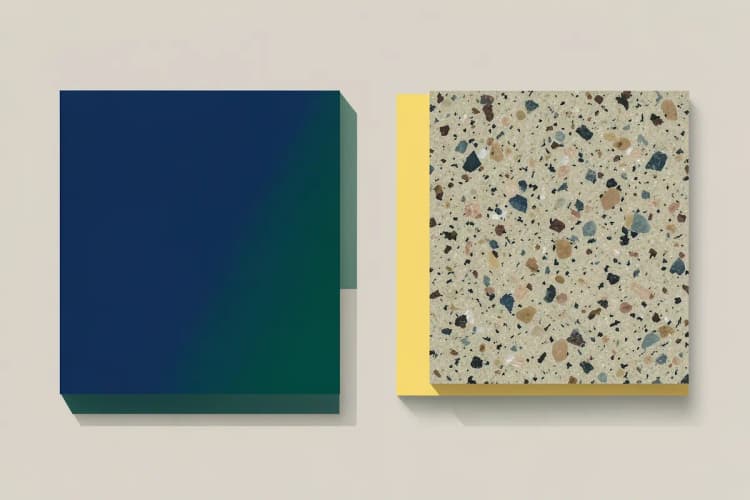
The most difficult part of a granite bathroom project is often not choosing a colour. It is coordinating the slab, cabinet, basin, plumbing, wall finish and installation sequence so that the finished surface fits the room precisely. A made to measure service becomes useful when a standard top cannot resolve those conditions cleanly.
Bancadas de Quartzo e Granito from MT Stones offers made to measure quartz and granite countertops, with fast installation available within up to seven days. The products are manufactured from high quality materials, and the service includes a range of options for homeowners who are still comparing colour, pattern and surface character.
That type of support is most relevant once the renovation has a defined layout. With the vanity position, basin style and wall conditions understood, the stone can be discussed as part of the room rather than selected in isolation. MT Stones serves London and adjacent areas, so the conversation is grounded in the practical requirements of local refurbishment projects.
The useful next step is to bring together the measurements, cabinet information, preferred basin and a short description of the atmosphere you want. From there, a tailored quotation can clarify which quartz or granite options suit the bathroom and how the fabrication and fitting stages would sit within the wider renovation schedule.
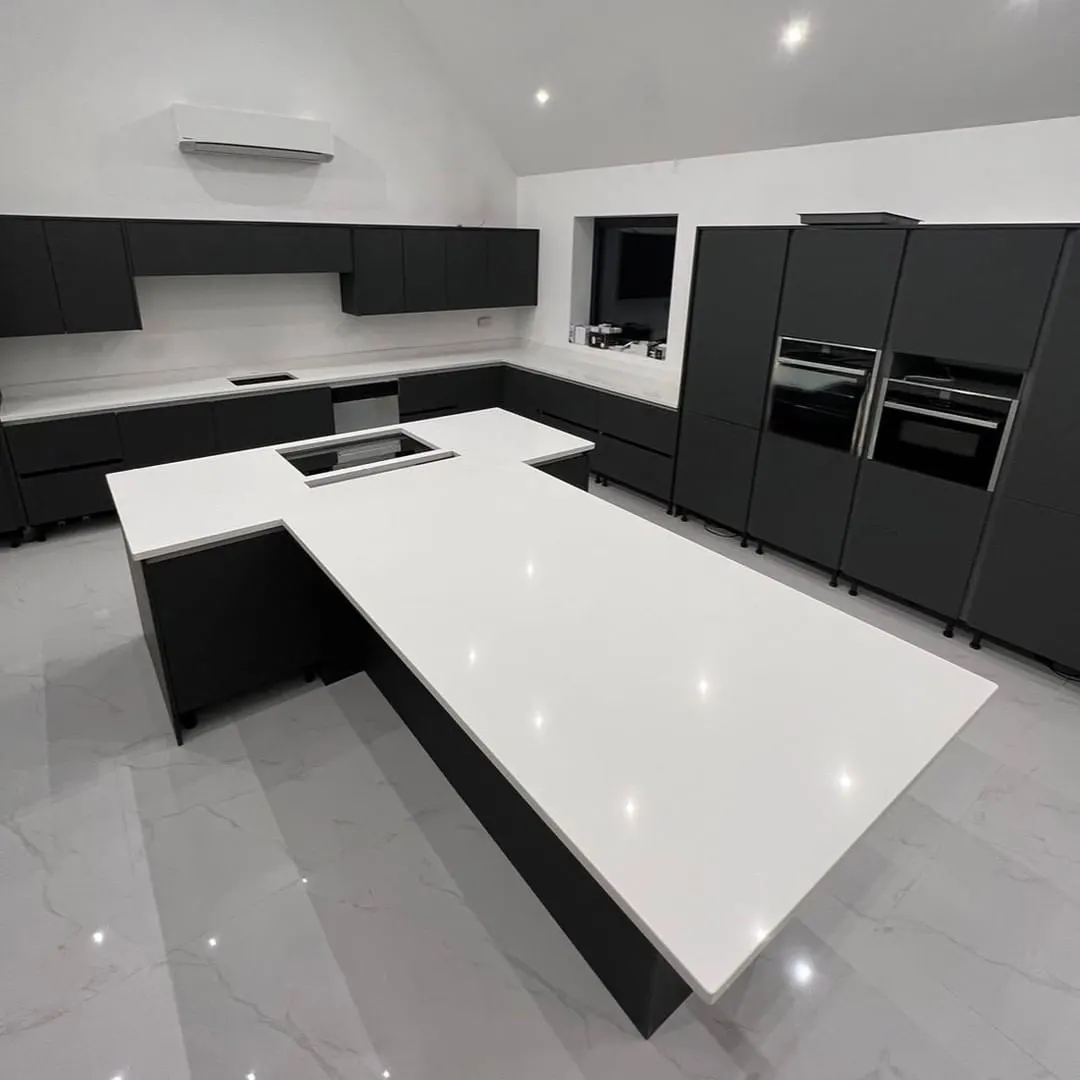
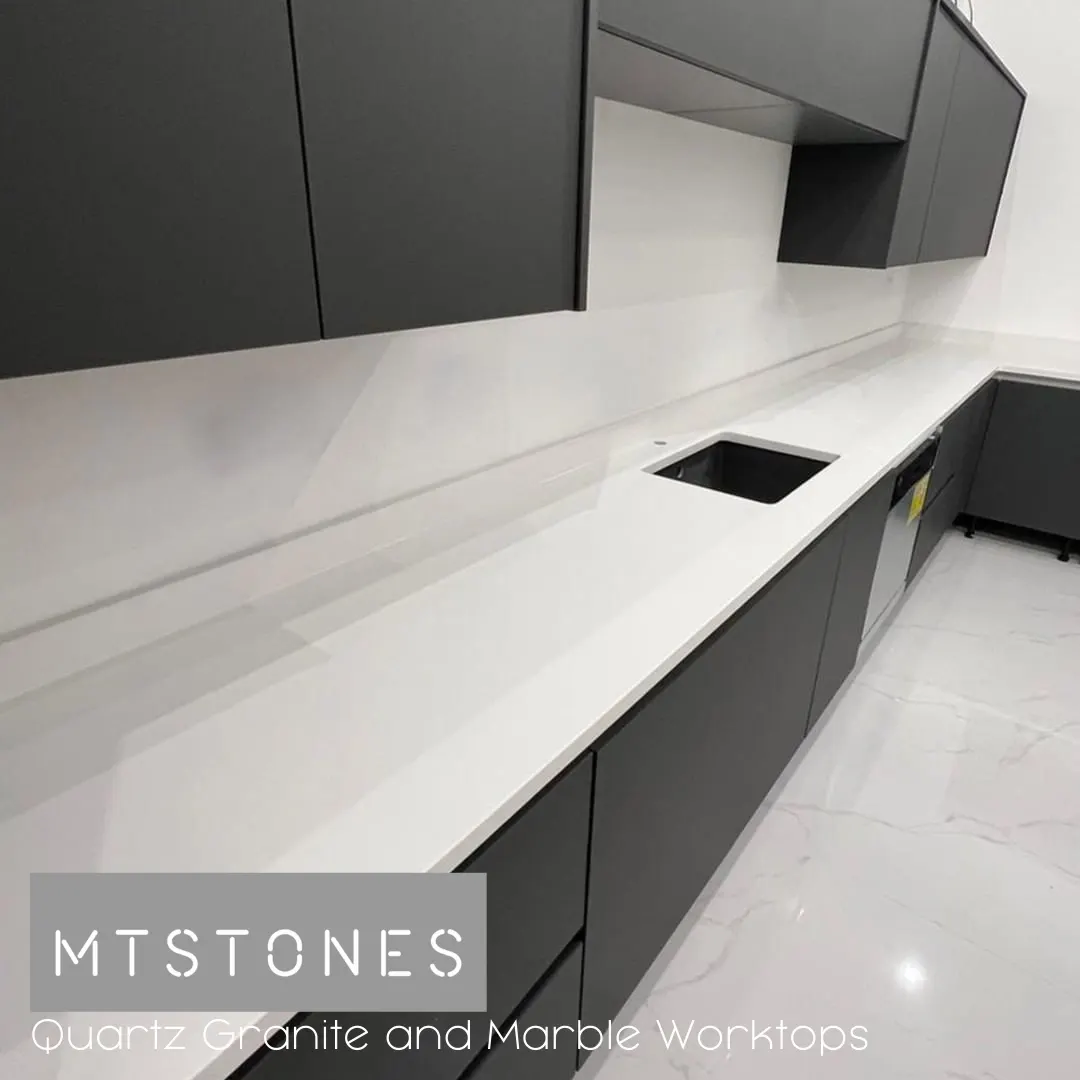
Explore our custom quartz and granite countertops for a stunning upgrade.
Get a Free Quote